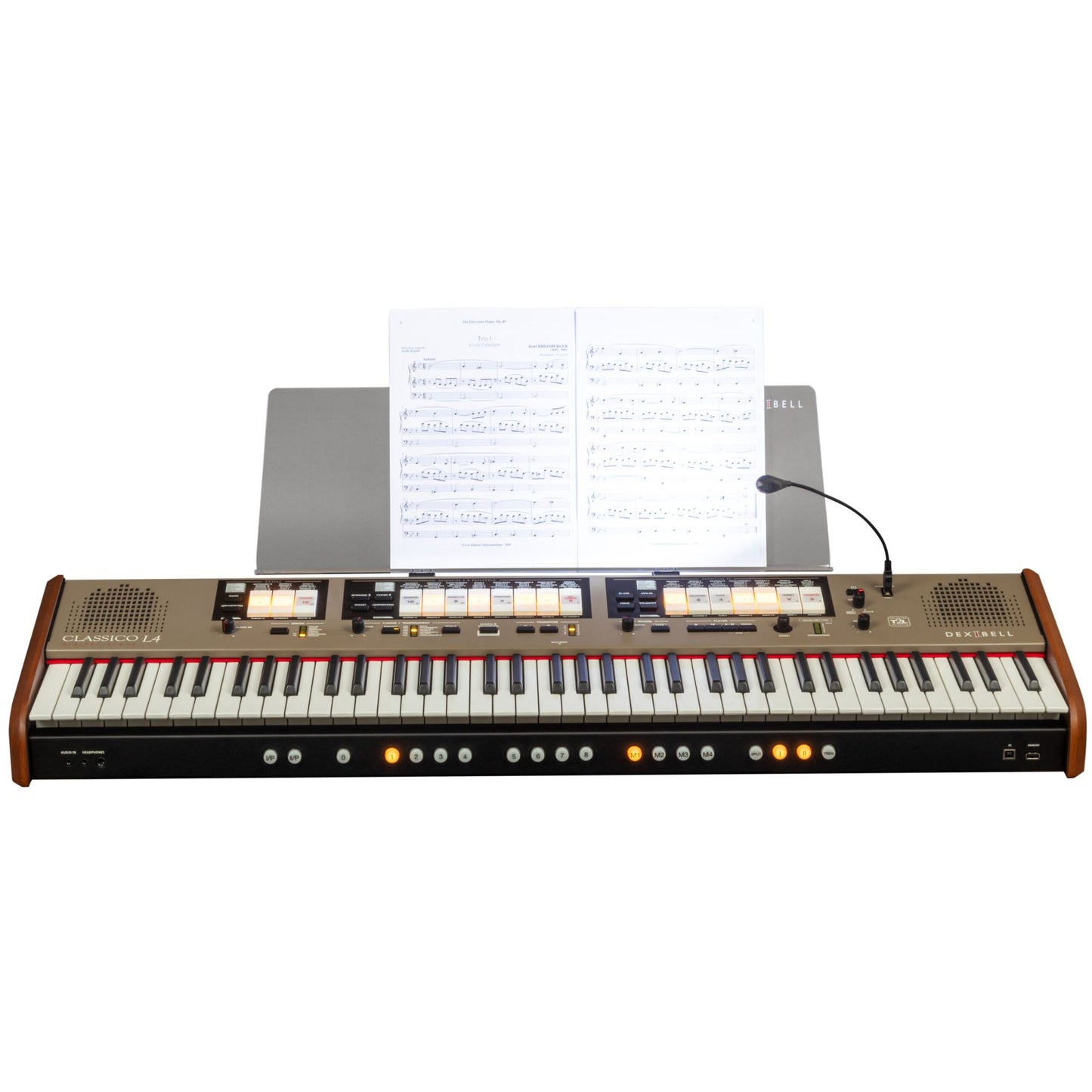
Why the Pipe Organ Is Making a Remarkable Comeback

And Why the Dexibell Classico L4 Could Be the Perfect Instrument for Today's Musician

If I asked you to picture a pipe organ, you'd probably imagine a huge instrument sitting inside a cathedral, accompanied by centuries of tradition and classical music.

And you'd be absolutely right.

But something fascinating has happened over the past decade. An instrument that many people thought belonged firmly in the past has suddenly become relevant again, inspiring musicians of every age and musical background.

As someone who's spent my life playing keyboards and introducing people to new instruments, I find it incredibly exciting.

The World's First Keyboard Instrument

The story of the organ stretches back more than 2,000 years.

Around 300 BC, a Greek engineer named Ctesibius of Alexandria invented the Hydraulis, widely regarded as the world's first keyboard instrument. It used water pressure to regulate the airflow through a series of pipes, producing an astonishing sound for its time.

Over the following centuries, instrument builders refined the design. By the Middle Ages, organs featured keyboards, pedals and ingenious mechanical systems that allowed performers to select different combinations of pipes and create an enormous variety of sounds.

Then came the 1700s, the golden age of organ music.

Composers such as Johann Sebastian Bach wrote some of the greatest works ever composed for the instrument. Even today, those masterpieces continue to challenge and inspire organists around the world.

A New Generation Discovers the Organ

For many years, the pipe organ was largely associated with churches and classical concerts.

Then something unexpected happened.

In 2014, millions of cinema-goers experienced the breathtaking sound of a huge pipe organ through Hans Zimmer's soundtrack for Interstellar. The deep, powerful tones became one of the defining sounds of the film and introduced the instrument to audiences who may never have heard a pipe organ before.

But perhaps the biggest influence has been Anna Lapwood.

Anna has completely transformed the public perception of the organ.

Through TikTok, Instagram and YouTube, she has shown that this extraordinary instrument isn't limited to traditional church music. She performs everything from film themes and pop songs to video game music, collaborates with contemporary artists, and has inspired countless young musicians to discover the organ for themselves.

What I particularly admire is that she makes the instrument feel welcoming and accessible, while remaining one of Britain's finest musicians.

Anna's achievements speak for themselves. She became the first woman to win an organ scholarship at Oxford's Magdalen College in its 560-year history, is the official organist of the Royal Albert Hall, presents programmes for BBC Radio and Classic FM, and performs internationally to packed audiences.

More recently, she reached an entirely new audience through her electrifying performances of Faithless' dance classic Insomnia as part of the hugely successful Ministry of Sound Classical concerts.

It's no exaggeration to say that Anna Lapwood has made the organ cool again.

So Where Does the Dexibell Classico L4 Fit In?

This is where things become really interesting.

Most people don't have access to a cathedral-sized pipe organ.

Churches may only have limited practice time available, and very few musicians have the space or budget for a traditional pipe organ installation at home.

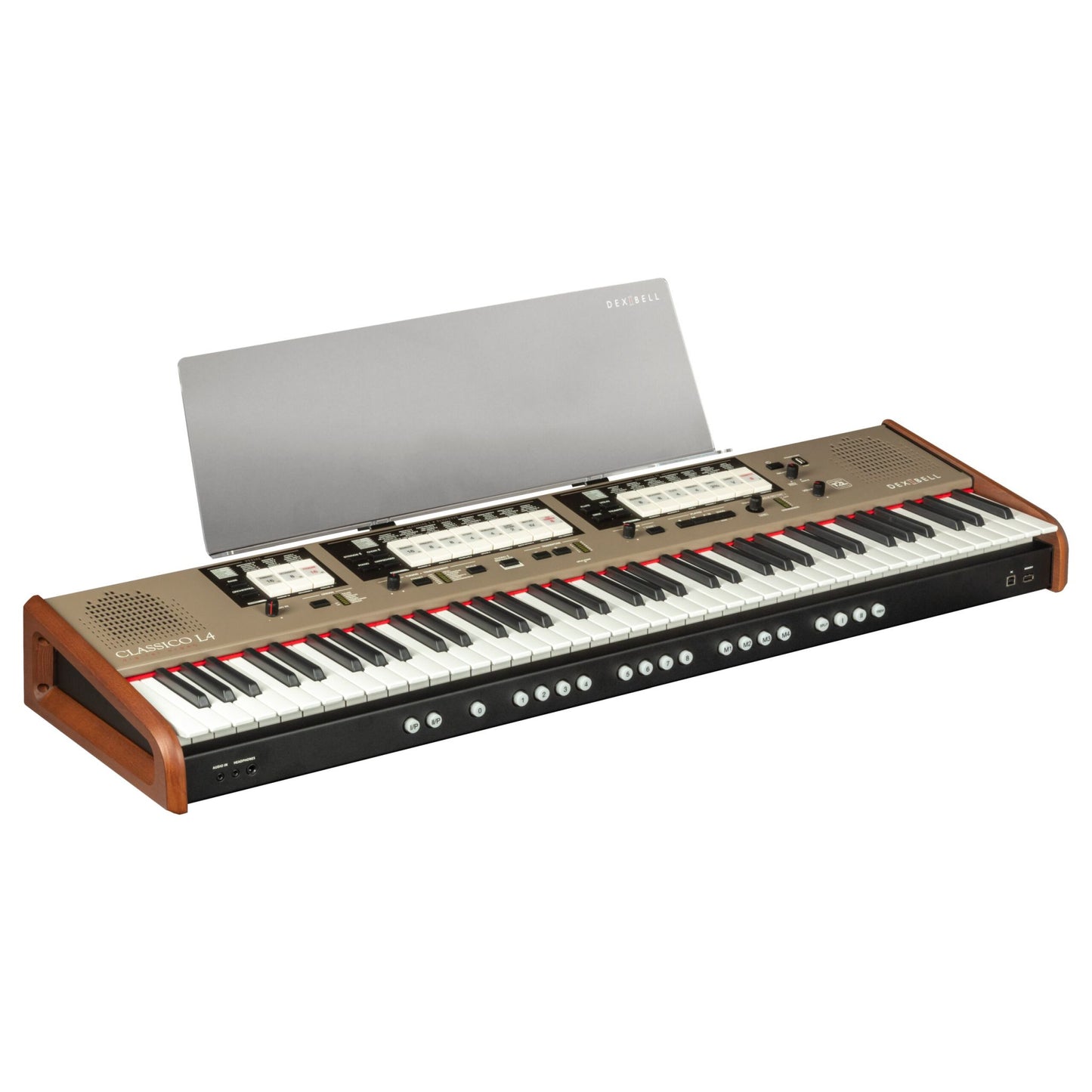
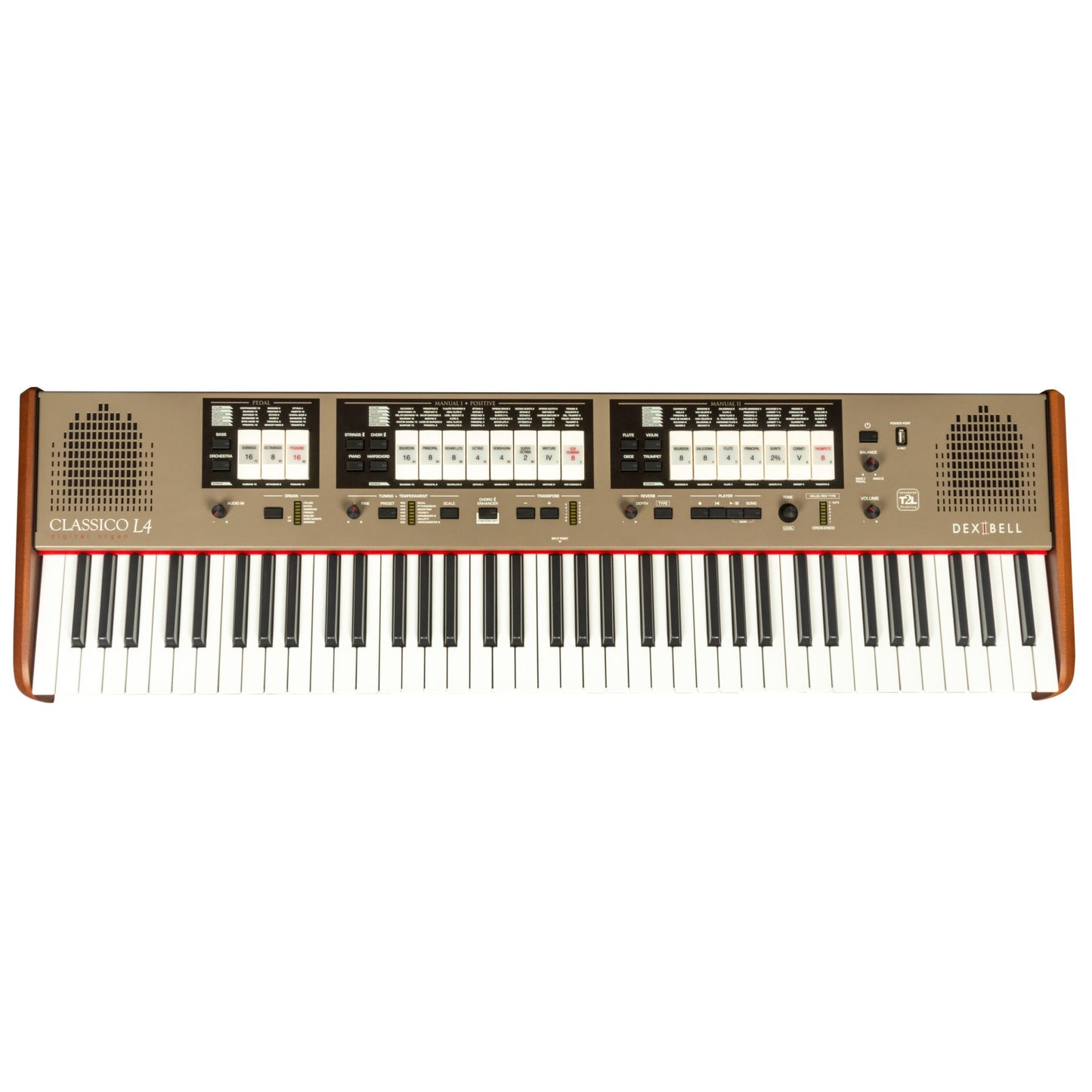
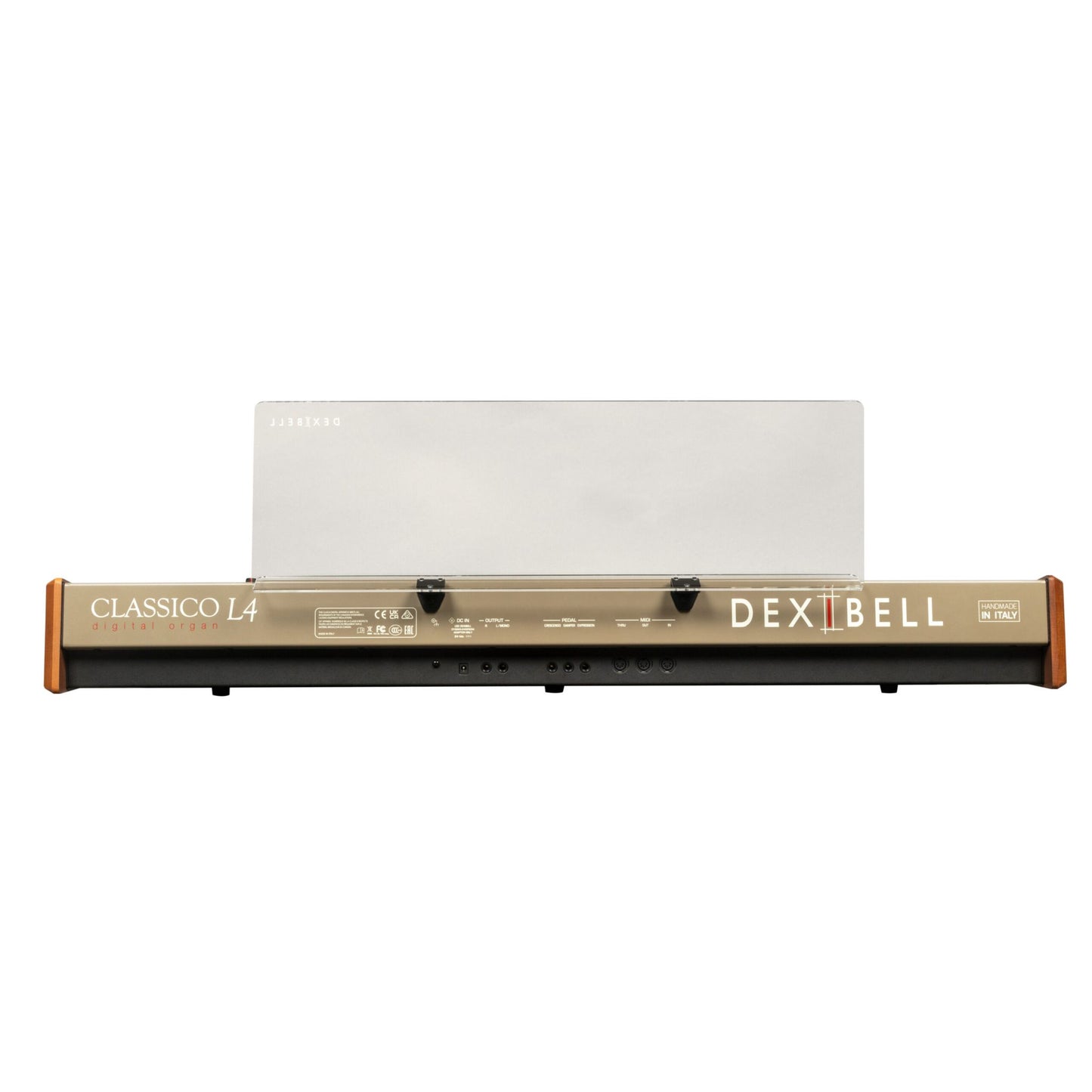
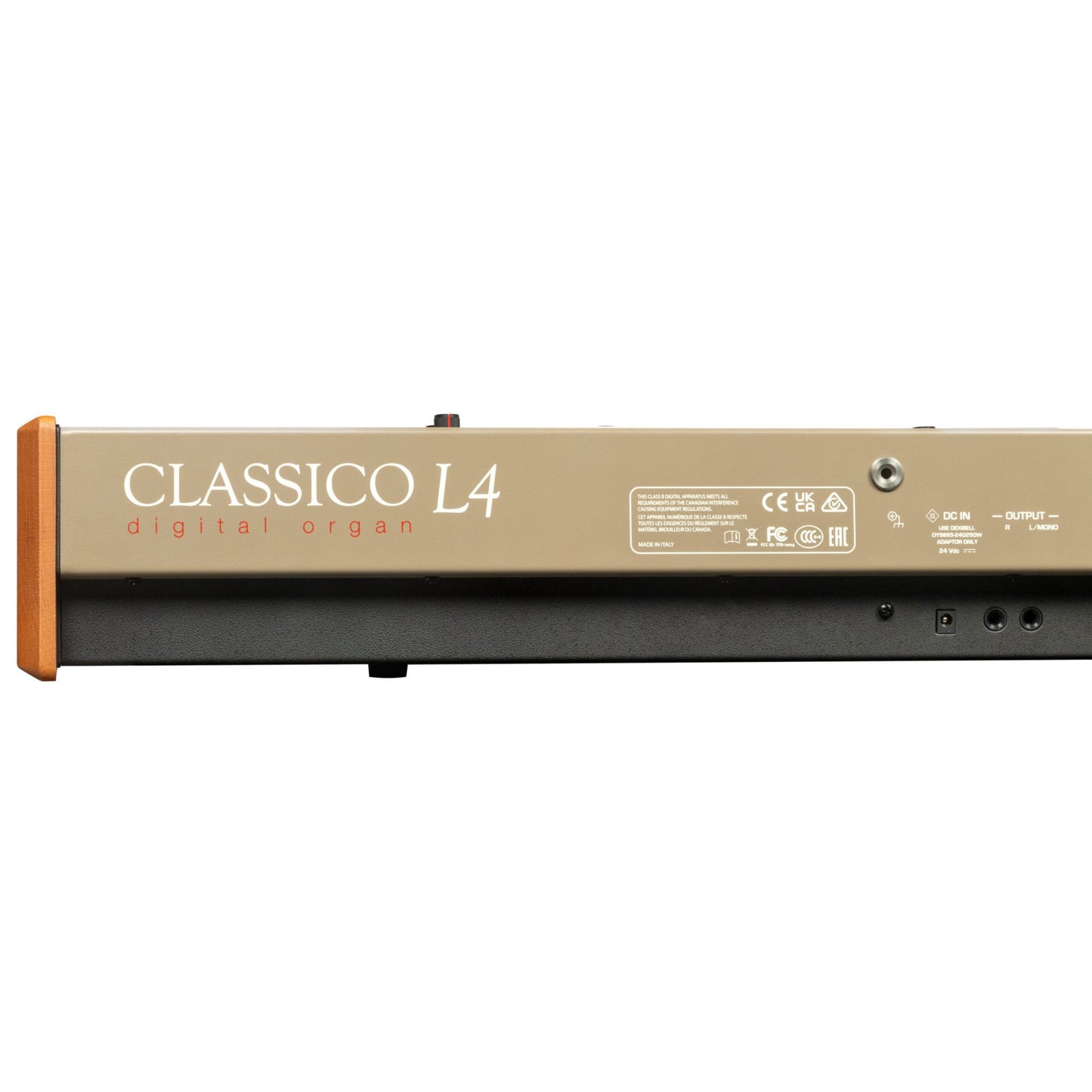
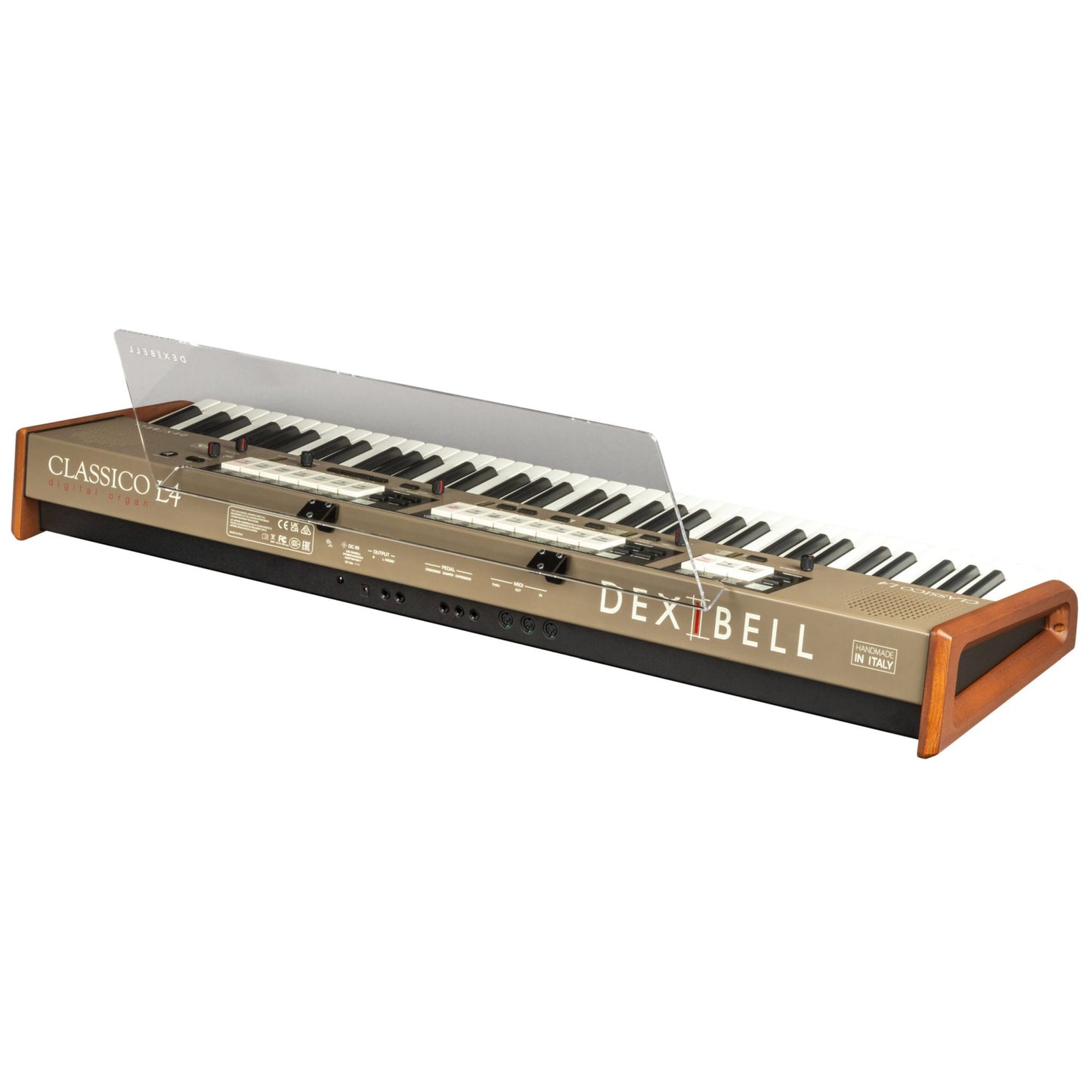
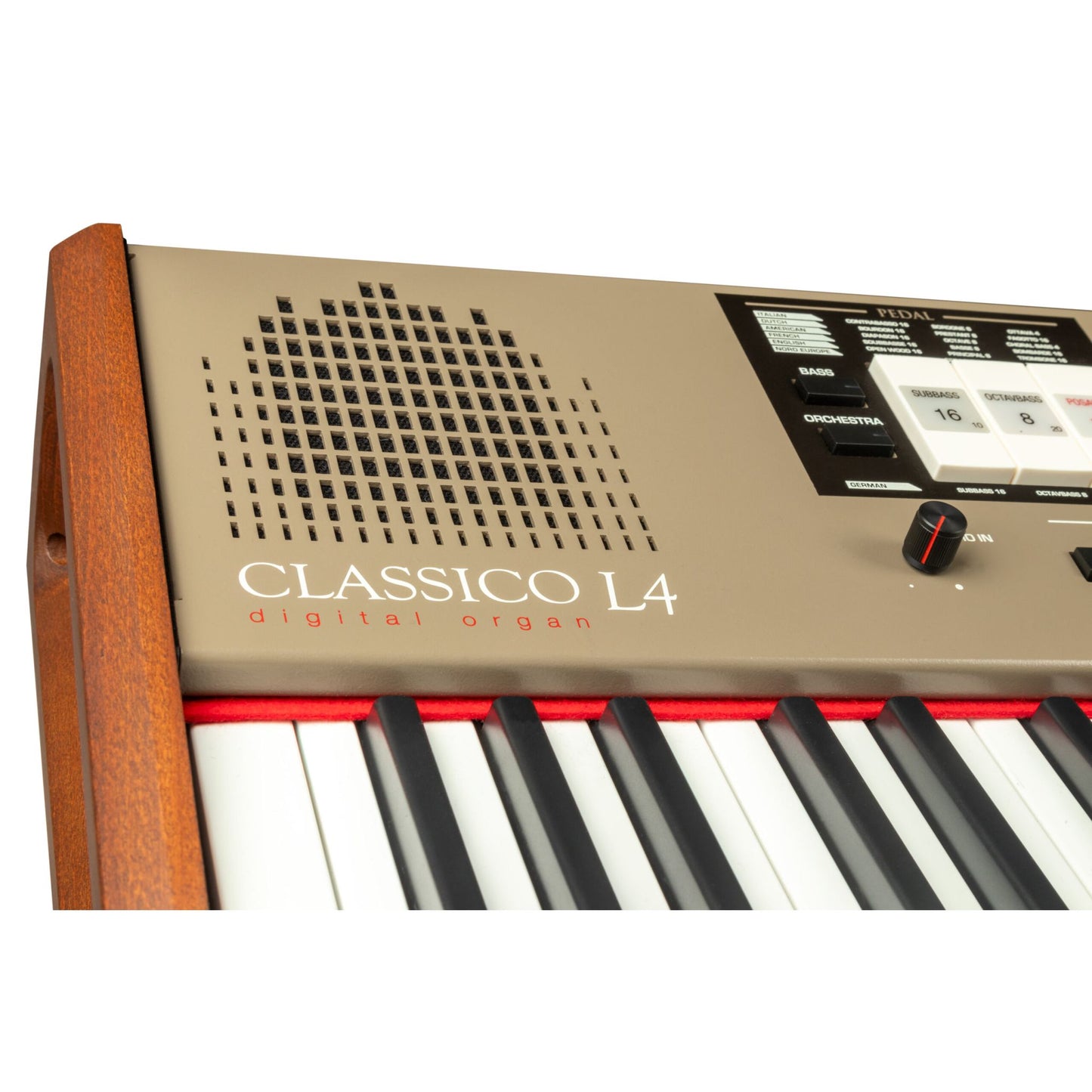
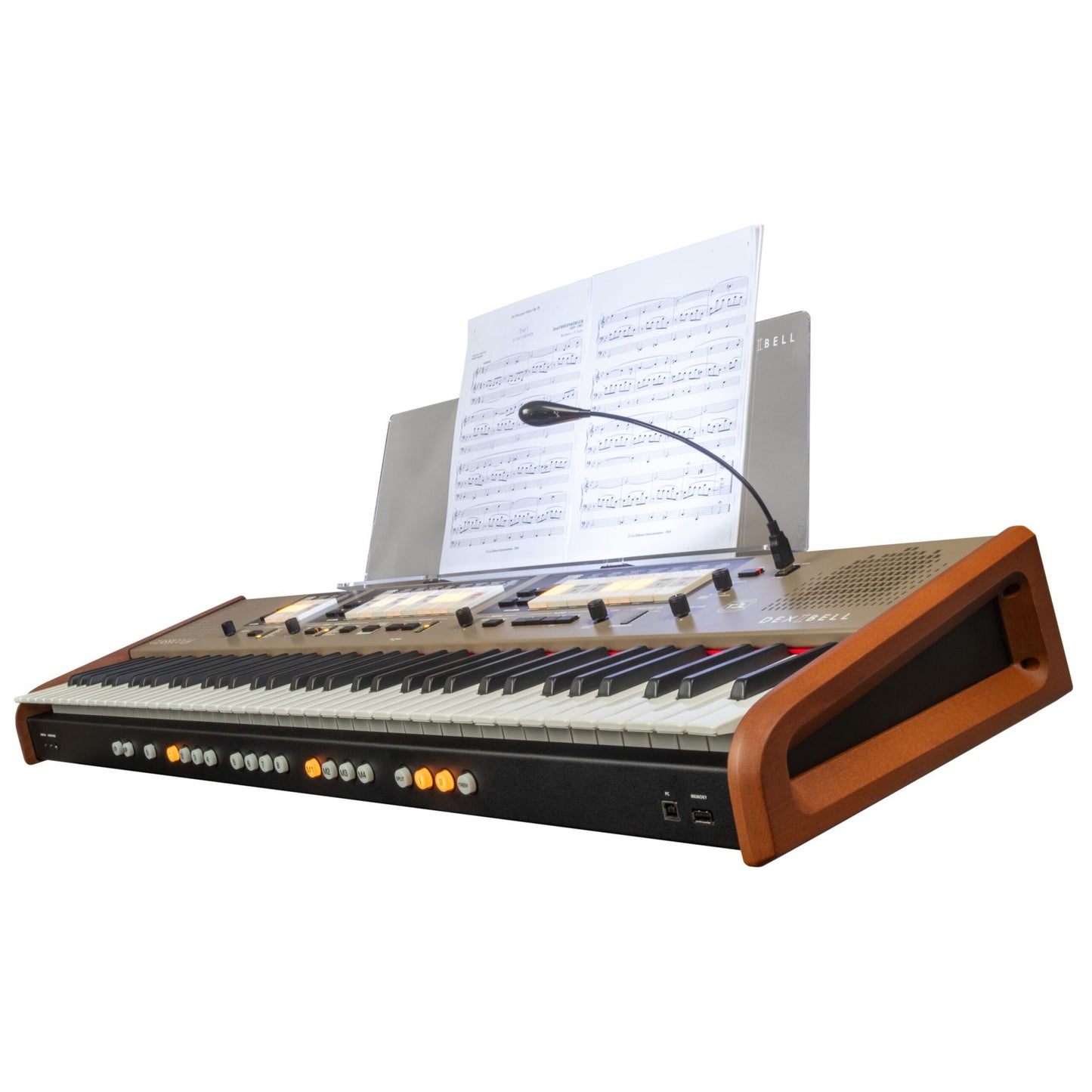
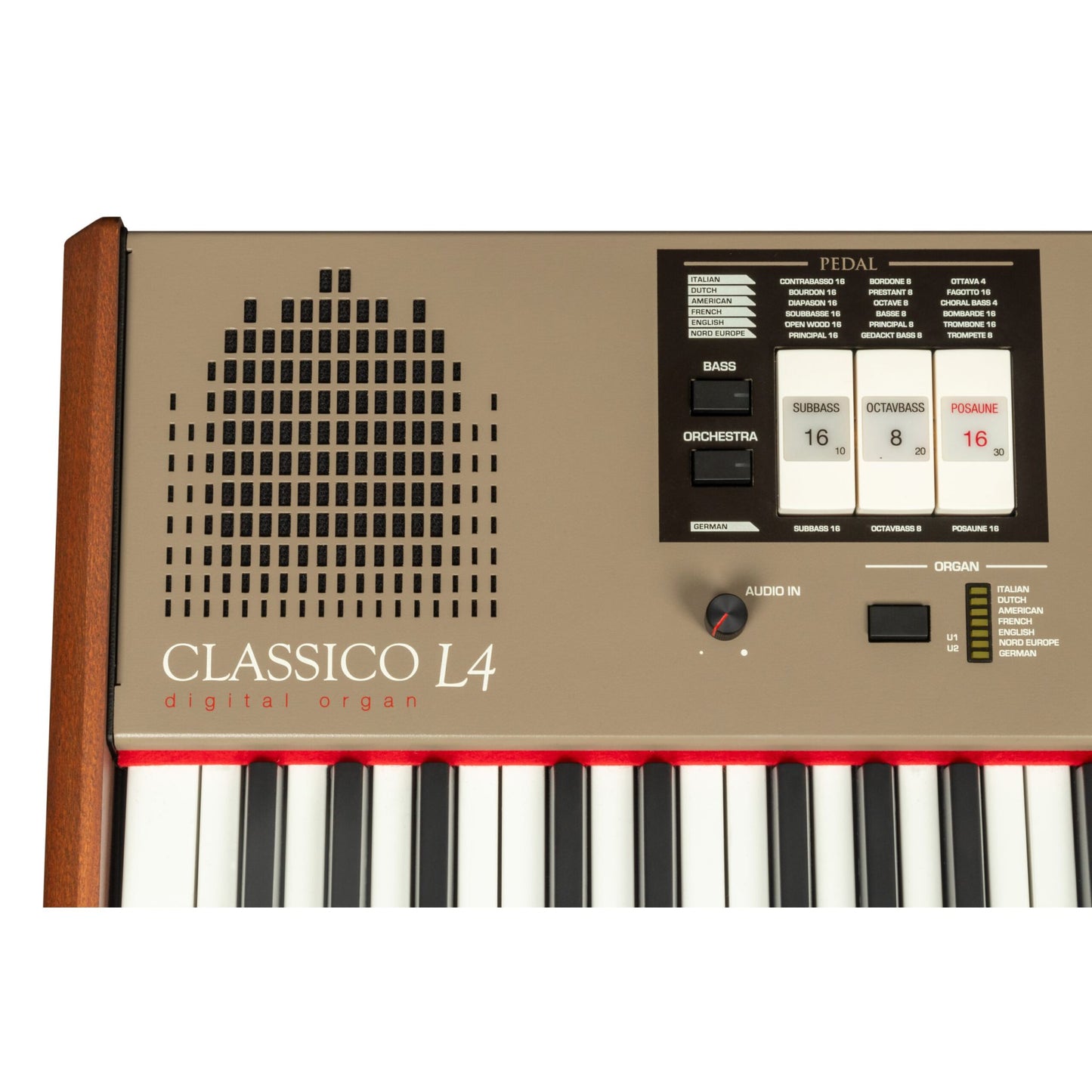
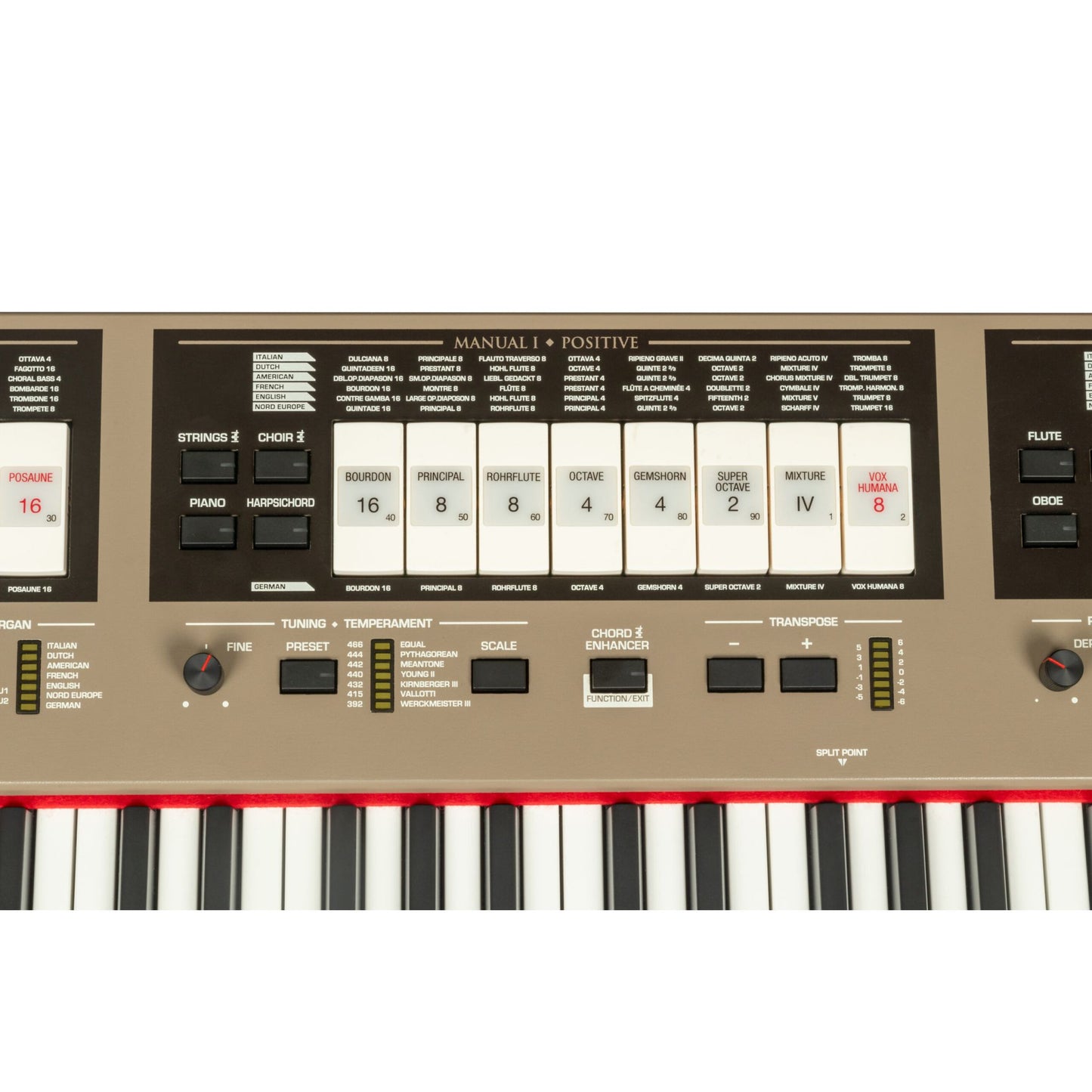
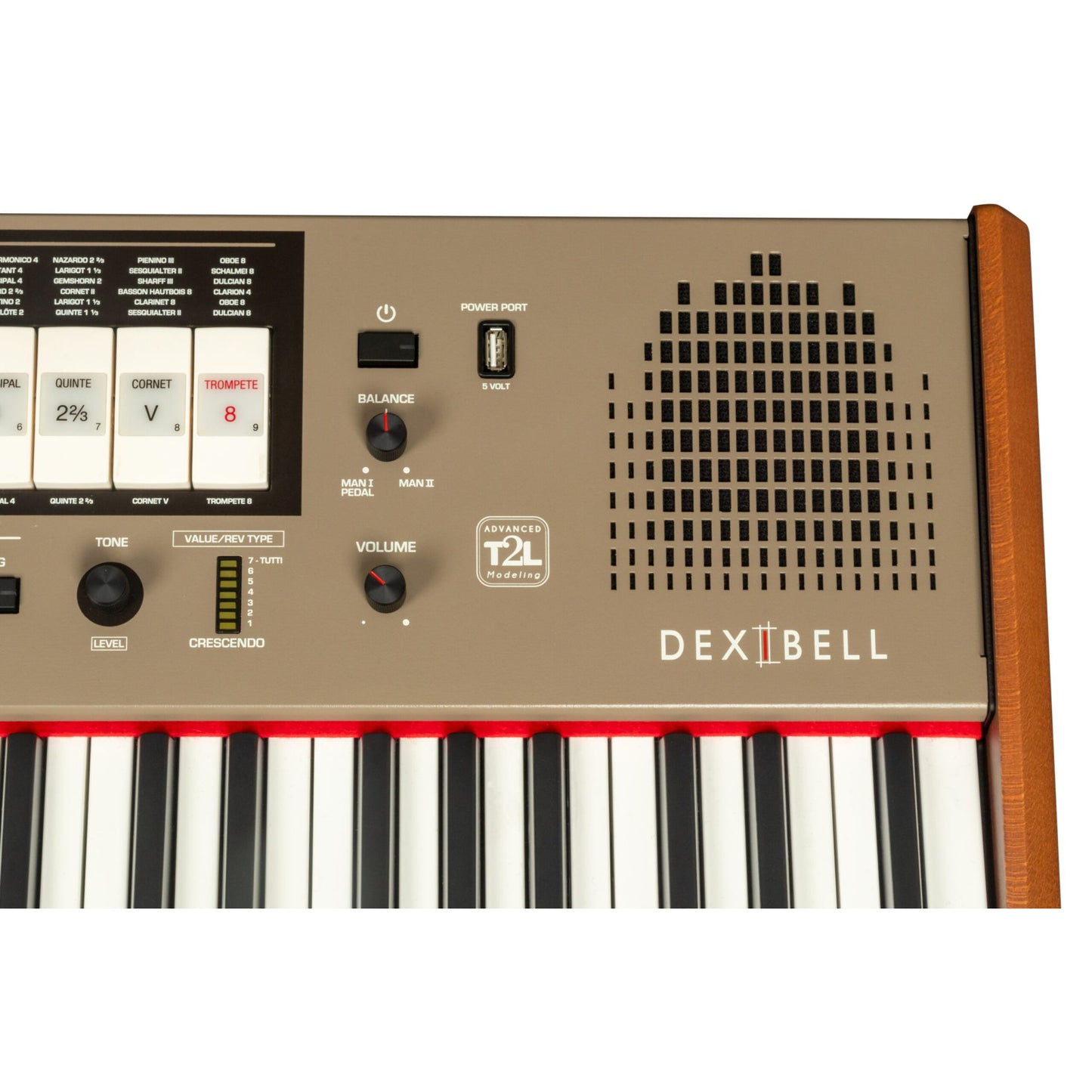
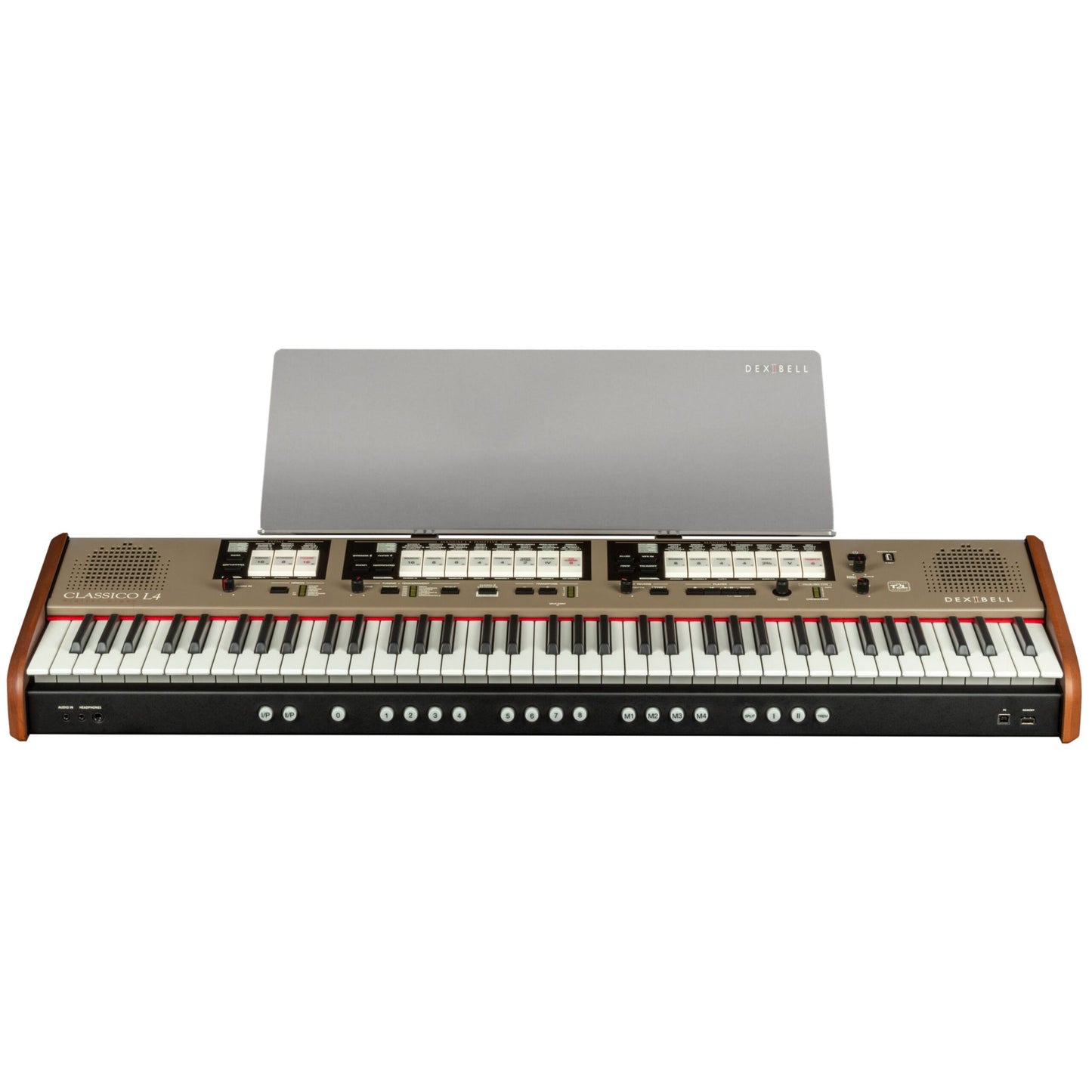
That's exactly why I was so intrigued when I first saw the Dexibell Classico L4.

Rather than trying to recreate just one type of instrument, Dexibell has produced something that captures the spirit of the modern organ world.

Whether you're inspired by the cinematic sounds of Hans Zimmer, the fresh and contemporary performances of Anna Lapwood, or you're a traditional church organist looking for authentic practice sounds, the Classico L4 brings these worlds together in one remarkably compact instrument.

Who Is the Dexibell Classico L4 For?

I think this instrument will appeal to several different types of musician.

If you're a church organist, it's an excellent way to practise at home without needing access to a full pipe organ.

If you're a parent whose son or daughter has discovered the organ through Anna Lapwood, this provides an inspiring and practical way to begin learning.

If you're a keyboard player working in theatre, worship, film music or orchestral production, it offers an exceptional collection of expressive sounds that are ready to perform with immediately.

And if, like me, you simply enjoy exploring new sounds and musical ideas, you'll probably find yourself spending hours discovering everything it has to offer.

My Thoughts

Every now and again, a musical instrument comes along that feels genuinely different.

The Dexibell Classico L4 is one of those instruments.

It combines outstanding sound quality with portability, flexibility and an impressive range of voices, making it suitable for musicians who would previously have needed several different keyboards to achieve the same results.

I really think Dexibell has created something rather special!

If you'd like to hear it for yourself, I've recorded a demonstration video showcasing some of my favourite sounds from the instrument.

Dexibell Classico L4 Demo

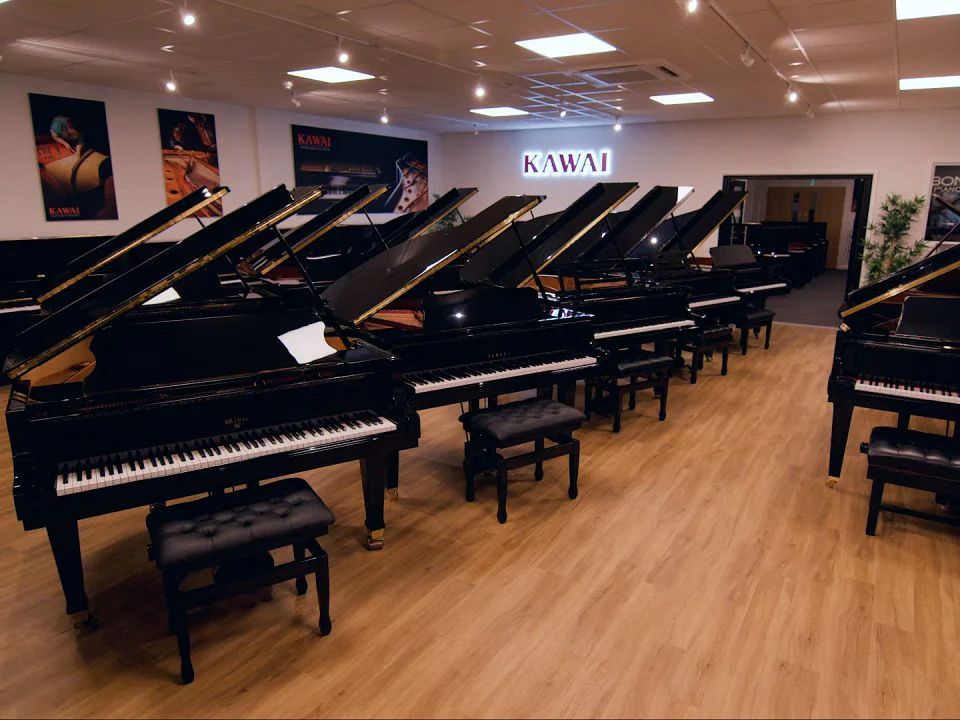
If you're considering adding the Classico L4 to your home, church or studio, you're also very welcome to visit one of our Bonners Music keyboard showrooms for a hands-on demonstration. We'll happily talk you through the instrument, explain the different pedalboard options, and help you decide whether it's the right choice for your playing. Just give us a quick call beforehand so we can make sure a demonstration model is available.

As always, if you'd like any advice about choosing the right keyboard or digital piano for your needs, my team and I are always happy to help.

FURTHER READING