Digital Piano Comparison Guide: Yamaha vs Kawai vs Roland vs Casio

If you’re trying to work out which digital piano is right for you, this guide compares Yamaha, Kawai, Roland and Casio models across different price ranges to help you narrow down your options.

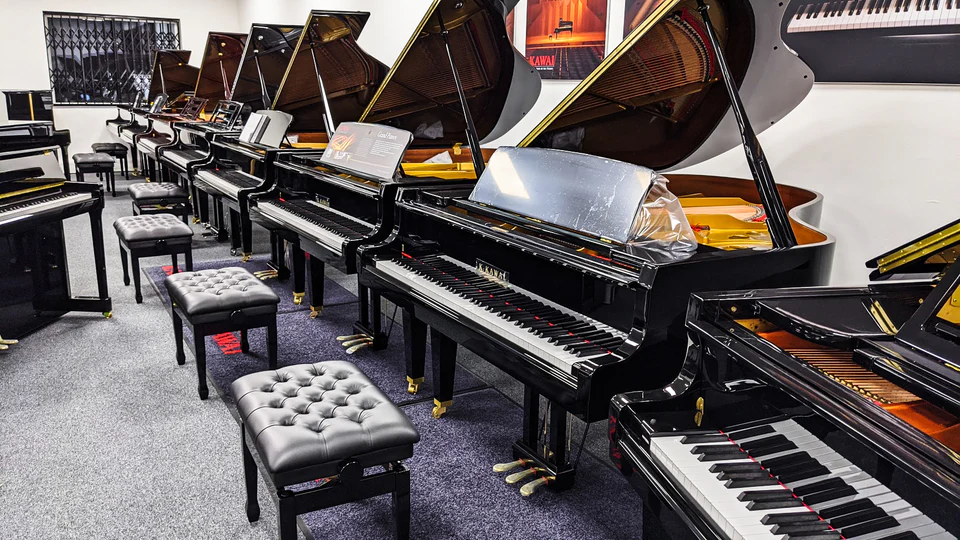
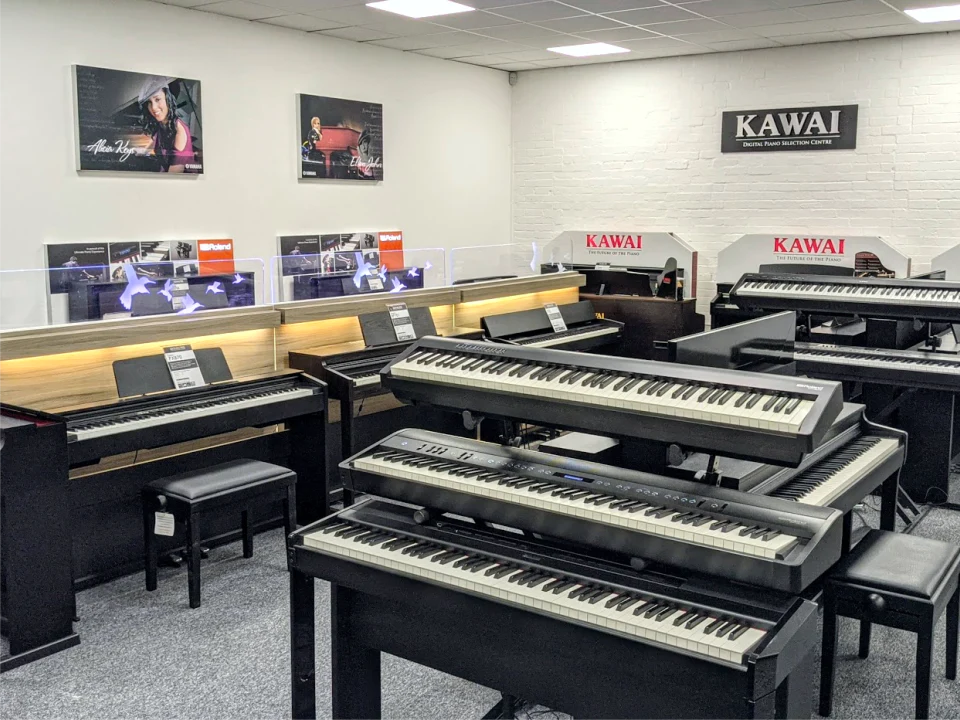
It’s designed to give you a clear starting point - whether you’re planning to visit one of our Bonners showrooms to try models in person, or looking to make a confident decision online. Many of these models are also available to compare side by side in our showrooms, so you can properly hear and feel the differences before choosing.

How to Use This Comparison

This guide is designed to help you quickly narrow down which digital pianos are worth considering based on your budget, playing level, and preferred style.

  • Start by finding your price range
  • Look across the brands to compare equivalent models
  • Use the Category / Best For column to understand who each group is suited to
  • Check the Key Features column to see what really sets each level apart

You can click on any model to explore it in more detail.

Once you’ve shortlisted a few options, the best next step is to try them in person and hear the differences for yourself.

Category / Best For Price Range Yamaha Kawai Roland Casio Key Features
Beginner Standard Cabinet £700–£900 YDP-145 CX102 RP107 AP-470 Traditional look • Basic weighted action
Space-Saving / Modern £700–£1,100 YDP-S35 / S55 F107 / F701 Slimline depth • Contemporary aesthetics
Intermediate Performance £1,100–£1,600 YDP-165 / CLP-825 CX202 / CN201 RP701 / HP702 AP-550 Improved dynamics • Enhanced sampling
Smart Learning (Upright) £1,500–£4,500 CSP-255 / 295 Stream Lights learning • App control • Full Ensemble
Advancing Performance / Design £1,800–£3,200 CLP-835 / 845 / 875 CN301 / 401 / 501 / 701 DP603 / HP704 / LX6 PX-S7000 / GP310 Wooden actions • Multi-channel sound • Award-winning design
Mini Digital Grands £3,300–£4,500 CLP-865GP DG30 GP6 Elegant baby grand cabinets • Compact foot-print
Flagship Digital Uprights £3,500–£5,500 CLP-885 CA901 LX9 / Kiyola GP510 The ultimate upright-style digital experience
Concert & Smart Grands £5,500–£10,000 CSP-295GP / 895GP GP9 Full-size grand presence • Smart learning or Concert tone
Hybrid (Upright/Grand Action) £5,000–£18,000 NU1XA / N1X / N3X NV6 / NV10S / NV12 Genuine mechanical acoustic actions • Ultimate realism

Which Digital Piano Is Right for You?

For Beginners £700-£1000

If you’re just starting out, a cabinet-style digital piano like the Yamaha YDP or Roland RP series is a great place to begin. These models offer a realistic piano feel, built-in speakers, and a clean, furniture-style design for the home.

For Progressing Players (£1000–£2000)

As you move beyond the basics, you’ll start to notice the benefits of better key actions, improved sound engines, and stronger speakers. Models in this range offer a more expressive playing experience and are often a better long-term investment.

For Serious Home Pianists (£2000–£4000)

If you’re looking for a more realistic piano feel, this is where wooden key actions and higher-end sound systems start to come in. These models feel much closer to an acoustic piano and are ideal for regular practice.

For Advanced Players & Hybrid Pianos (£5000+)

Hybrid pianos combine real acoustic piano actions with digital sound, offering the most authentic playing experience without the maintenance of a traditional piano.

Digital Piano Buying Guide & FAQ

For most beginners, a cabinet-style digital piano in the £700–£1000 range is a great starting point. Models like the Yamaha YDP series or Roland RP range offer a realistic piano feel, built-in speakers, and a simple, reliable design for home use. At the time of writing this article, the Casio AP470 is a standout model in this price category as it is a higher-performance model, currently on offer at an entry-level price.
It depends on your goals.

£700–£1000: Ideal for beginners
£1000–£2000: Better sound and more expressive playing
£2000+: More realistic feel, often with wooden keys
£5000+: Hybrid pianos with acoustic-style actions

This guide helps you compare what you get at each level.
Each brand has its own character:

Yamaha: clear, bright tone and consistent build quality
Kawai: warmer tone and highly regarded key actions
Roland: strong digital features and connectivity
Casio: excellent value and modern design-led models

The best choice often comes down to personal preference when you play them.
Wooden key actions can provide a more realistic feel, closer to an acoustic piano. They’re typically found in mid-range and higher-end models (£1800+), and are worth considering if you’re planning to play regularly or progress long-term.
Slimline models are great for smaller spaces and modern interiors.

Cabinet-style models offer a more traditional look and often a fuller sound.

It really depends on your space and aesthetic preference.
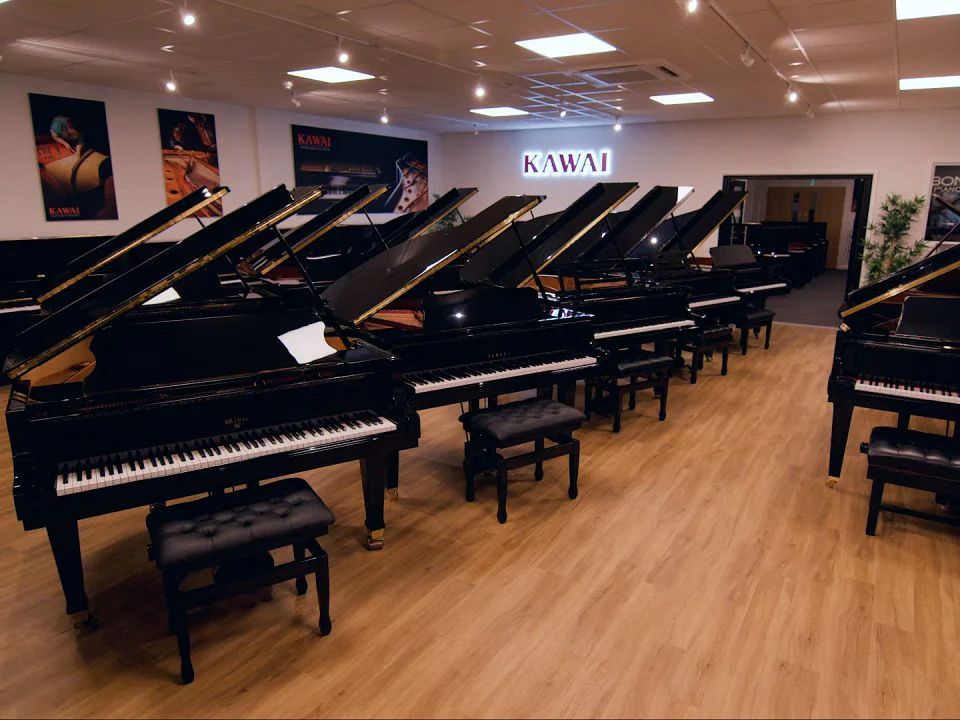
Hybrid pianos feature a keyboard action and hammer mechanism that is very close in design to that found in a traditional acoustic piano. This means the player will enjoy a musical experience similar to playing an acoustic instrument, but with the benefits and convenient features associated with a digital piano, for instance silent practice with headphones and a choice of different sounds. Hybrid instruments don't have strings, or an iron frame, so they don't require tuning or the regular maintenance associated with acoustic pianos. They’re typically found in higher price ranges (£5000+).
YES! — this is one of the most important steps. Even if two models look similar on paper, they can feel very different to play. Differences in key action, sound, and speaker systems are much easier to understand in person. Even if you don't play piano, it is worth visiting a comprehensive showroom like Bonners because you can appreciate the differences in sound and cabinet design. Many people who visit a piano shop thinking they have already chosen the right piano for them, change their mind when they see, hear, and touch digital pianos in a showroom.
Yes. Many of the models featured in this guide are usually available to compare side by side at Bonners Piano Centres. Visiting a showroom allows you to hear and feel the differences properly in a relaxed environment, with expert guidance if you need it.
Not necessarily. Digital pianos are ideal for many homes because they don’t need tuning, allow headphone practice, and take up less space. Acoustic pianos offer a different playing experience, but for many players, a good digital piano is the more practical choice.
Yes! For most cabinet and hybrid pianos, we offer a professional "White Glove" delivery service. Our team will deliver the piano to your room of choice, assemble it, and remove all packaging.
Absolutely. We offer competitive part-exchange rates. Simply bring photos and details of your current instrument to the showroom, or contact us online for a valuation.
Yes, Bonners Piano Centres offer a range of flexible 0% Interest-Free Finance packages on most new digital pianos. This allows you to spread the cost over 12, 18, or 24 months, making premium instruments more accessible.
Bonners has four high-quality piano showrooms across the UK including Eastbourne on the South Coast, Reigate in Surrey, Milton Keynes, and Newcastle. All showrooms have free on-site parking and are easy to reach from the major road network.

See, Hear & Play In A Bonners Store

Once you’ve narrowed down your options, the best next step is to try a few models in person.

Many of the digital pianos in this guide are usually available to compare side by side in our Bonners showrooms, where you can take your time in a relaxed, pressure-free environment.

Our team can help you understand the differences between models and find the right piano for your home and playing level.